Industry: Health | Role: Researcher and Service Designer | Deliverables: Patient Research, Service Concept, Prototyping, Concept Testing
The problem
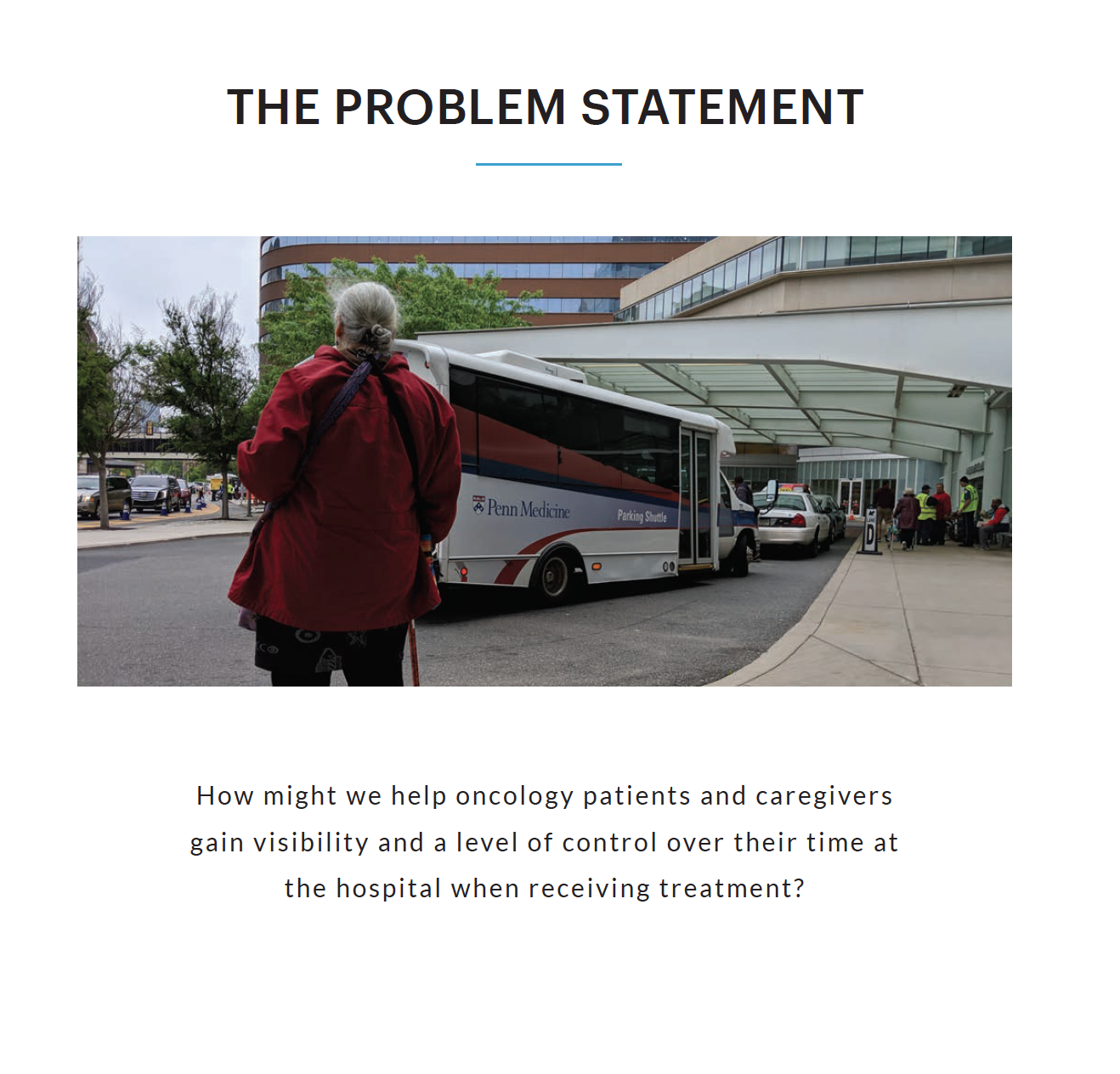
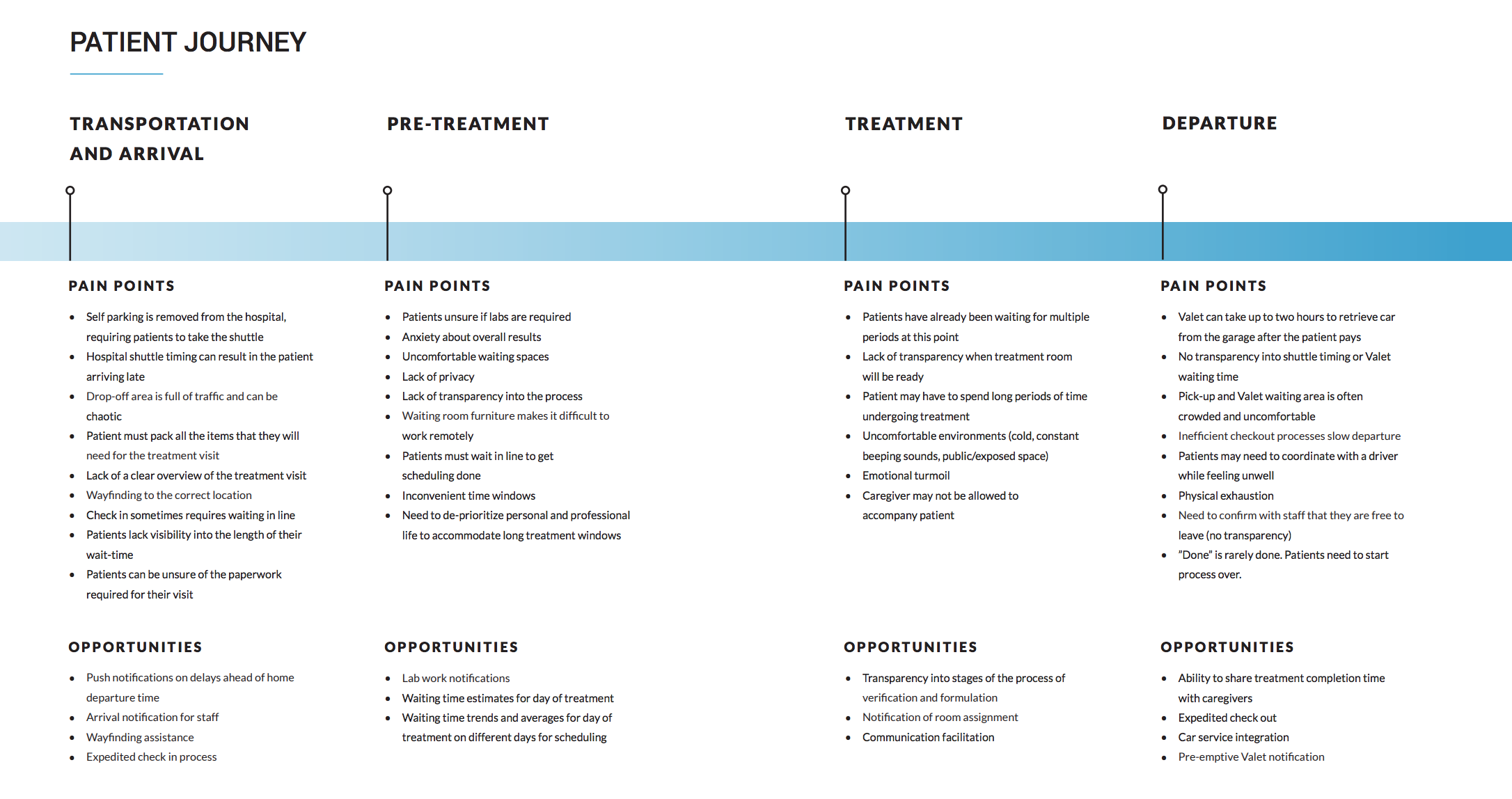
Cancer treatment days are long, opaque, and exhausting. Patients sit in waiting rooms with no visibility into when they will be called, where delays are coming from, or how long the day will actually take. Caregivers cannot track what is happening. The friction is not a side effect of the treatment. It is a design problem.
Fjord partnered with a Pennsylvania insurer and a leading cancer center to ask, “What if patients had real transparency into their treatment day, from door to door?”
What I did
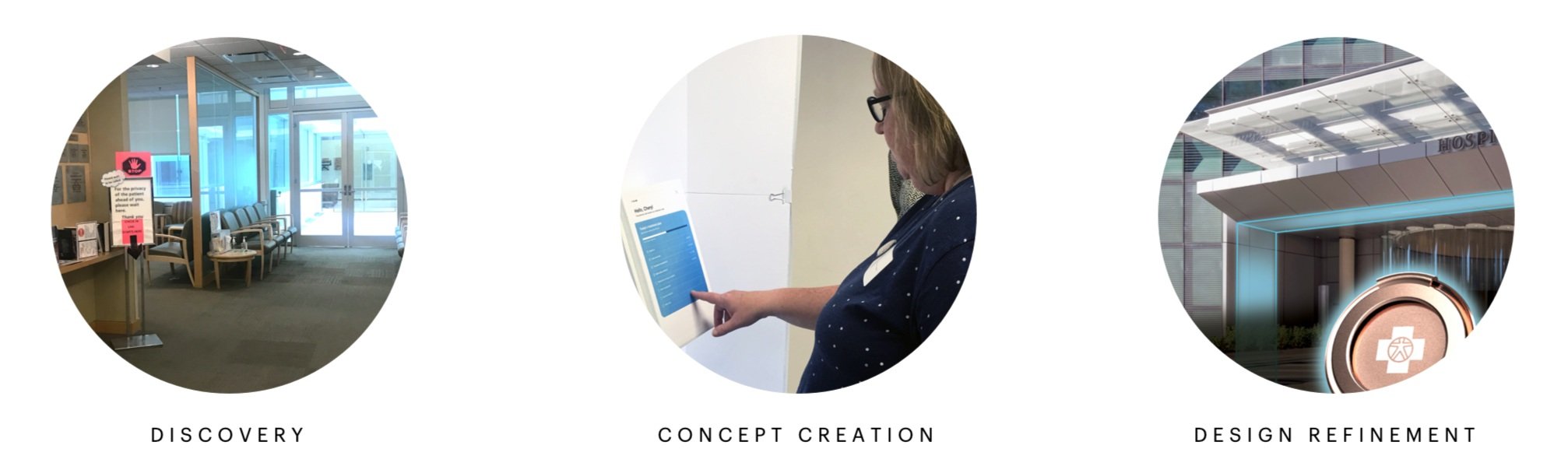
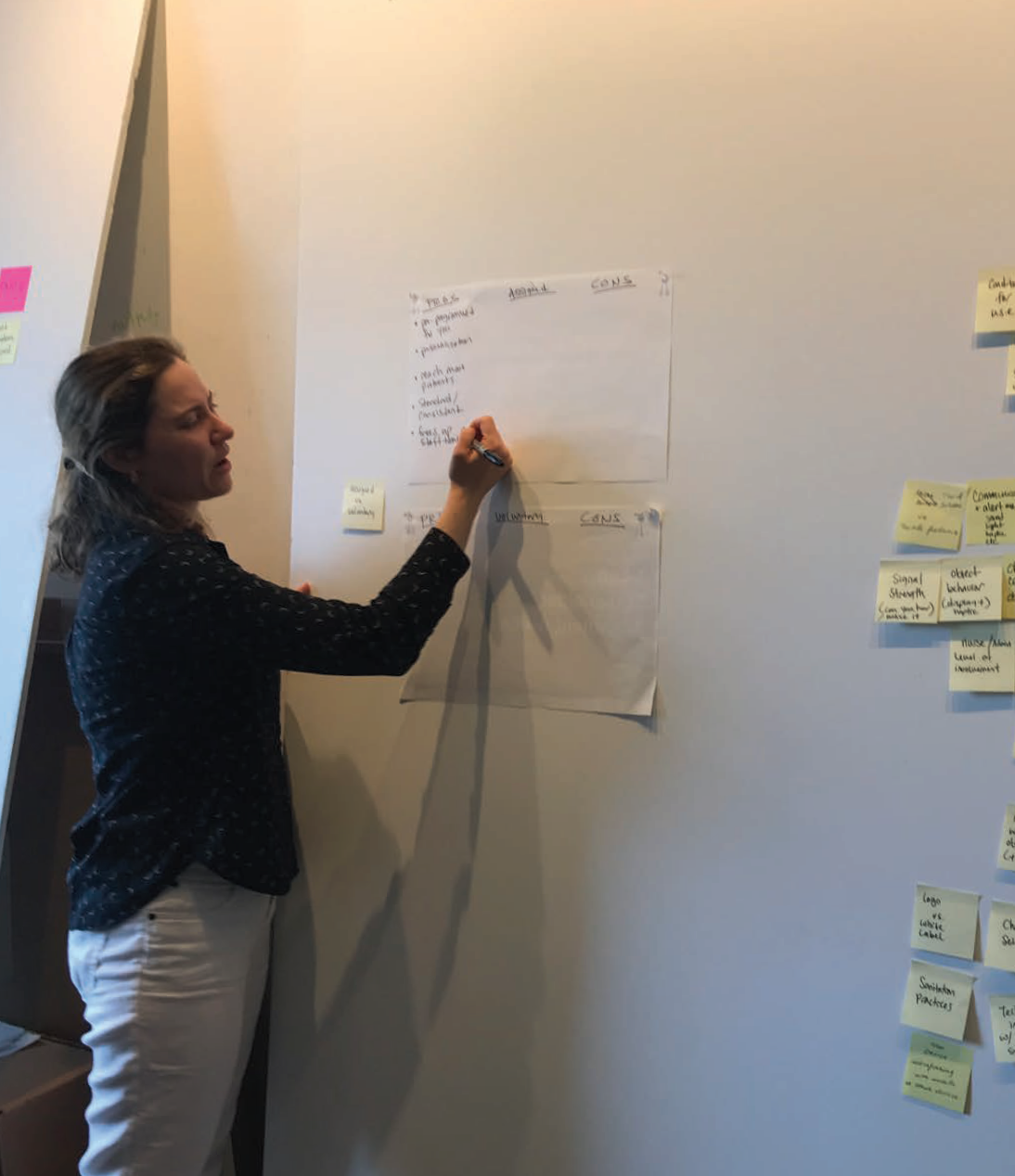
I immersed myself in the oncology experience through desk research, in-hospital observations, and three rounds of qualitative research with current and former cancer patients and their caregivers.
Round one was virtual interviews and co-creation with patients and caregivers. Round two was in-person feature-level testing with cancer patients who had been treated at Penn Medicine. Round three was in-person concept testing with patients who had undergone infusion or radiology treatment within the past five years.
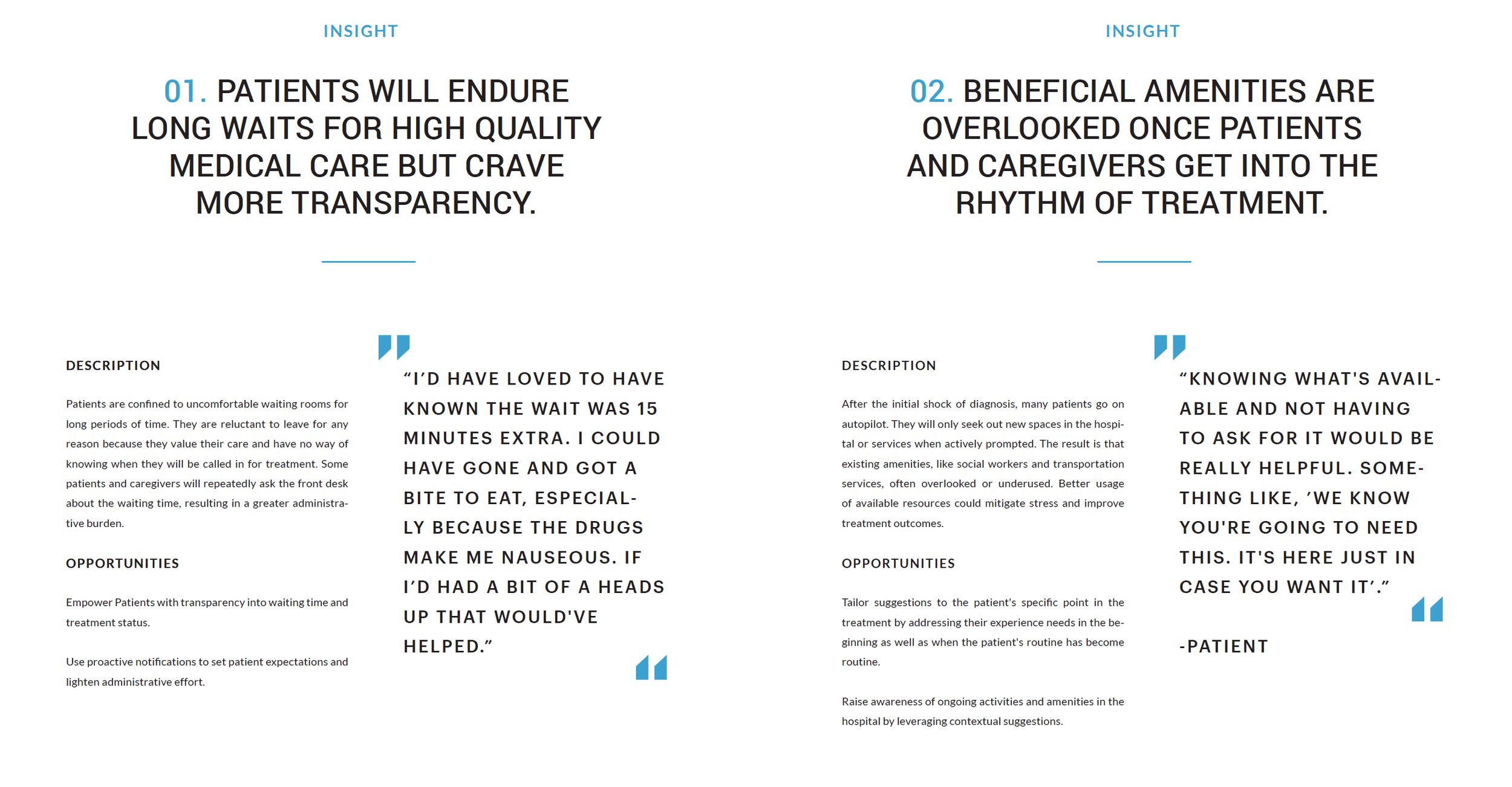
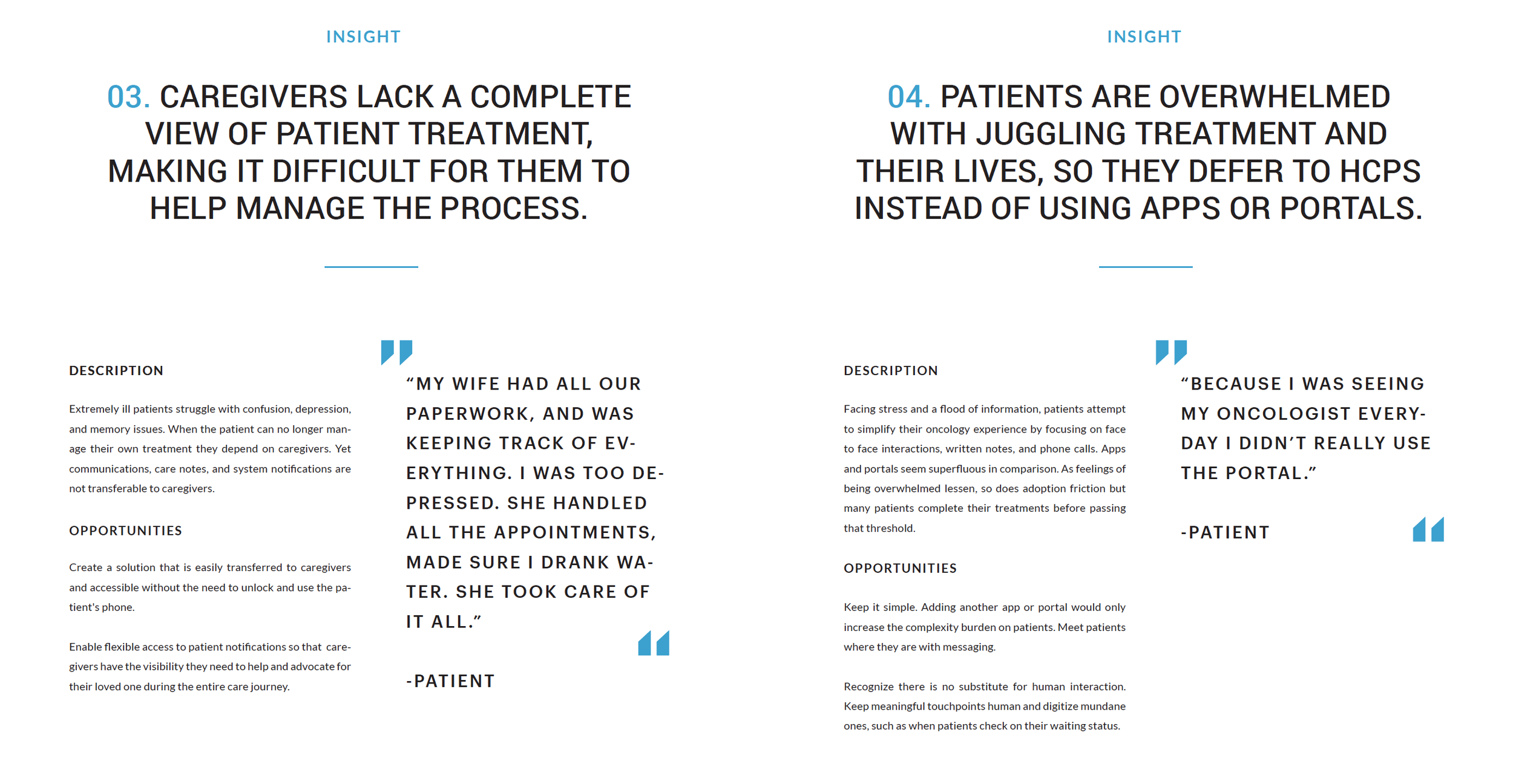
The research surfaced four sharp insights. Patients will endure long waits for care they trust, but they crave transparency into the process. Beneficial hospital amenities go unused because patients go on autopilot after diagnosis. Caregivers lack visibility into treatment status and, as a result, cannot effectively support patients. And patients are so overwhelmed that they defer to their care teams rather than use apps or portals, meaning any solution had to meet them where they already were.
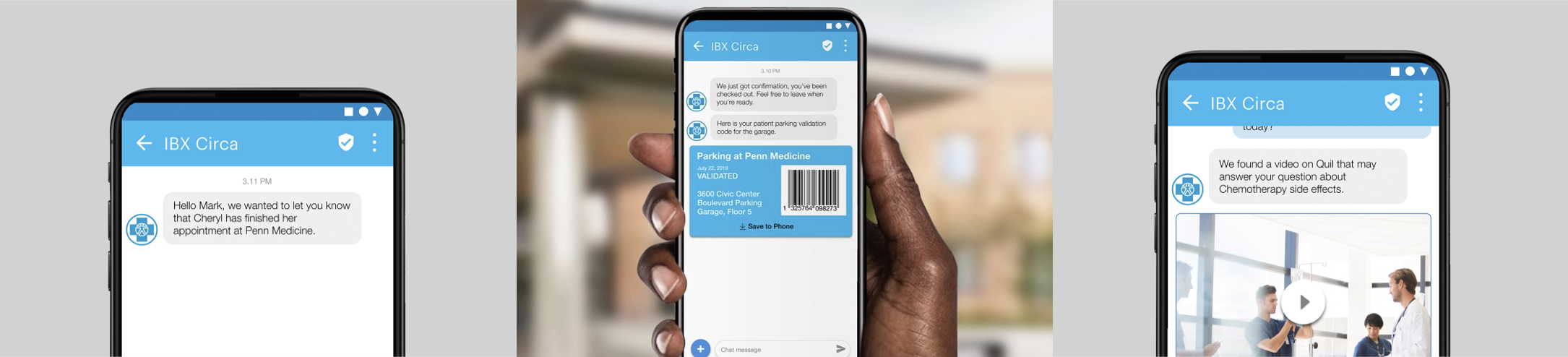
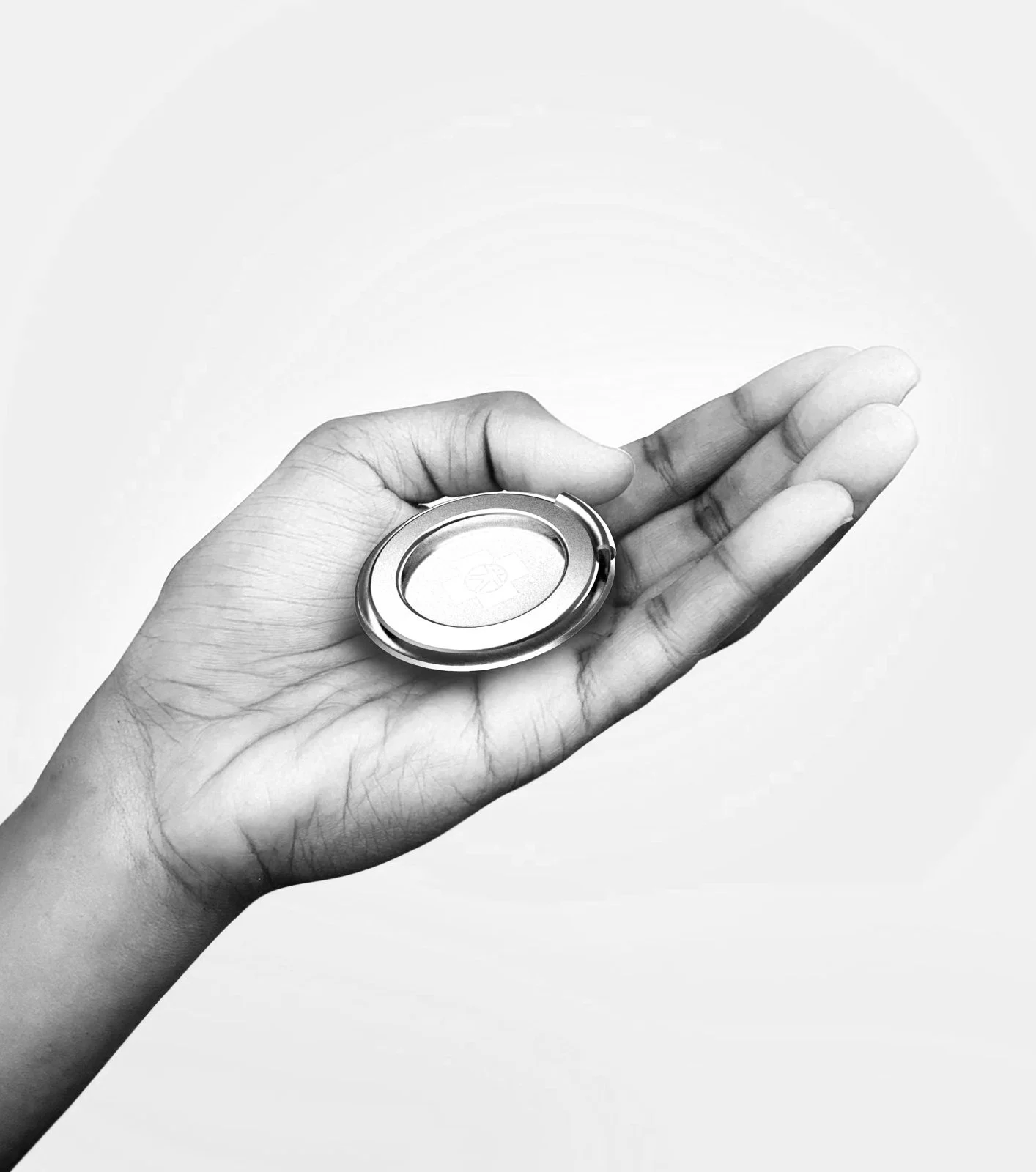
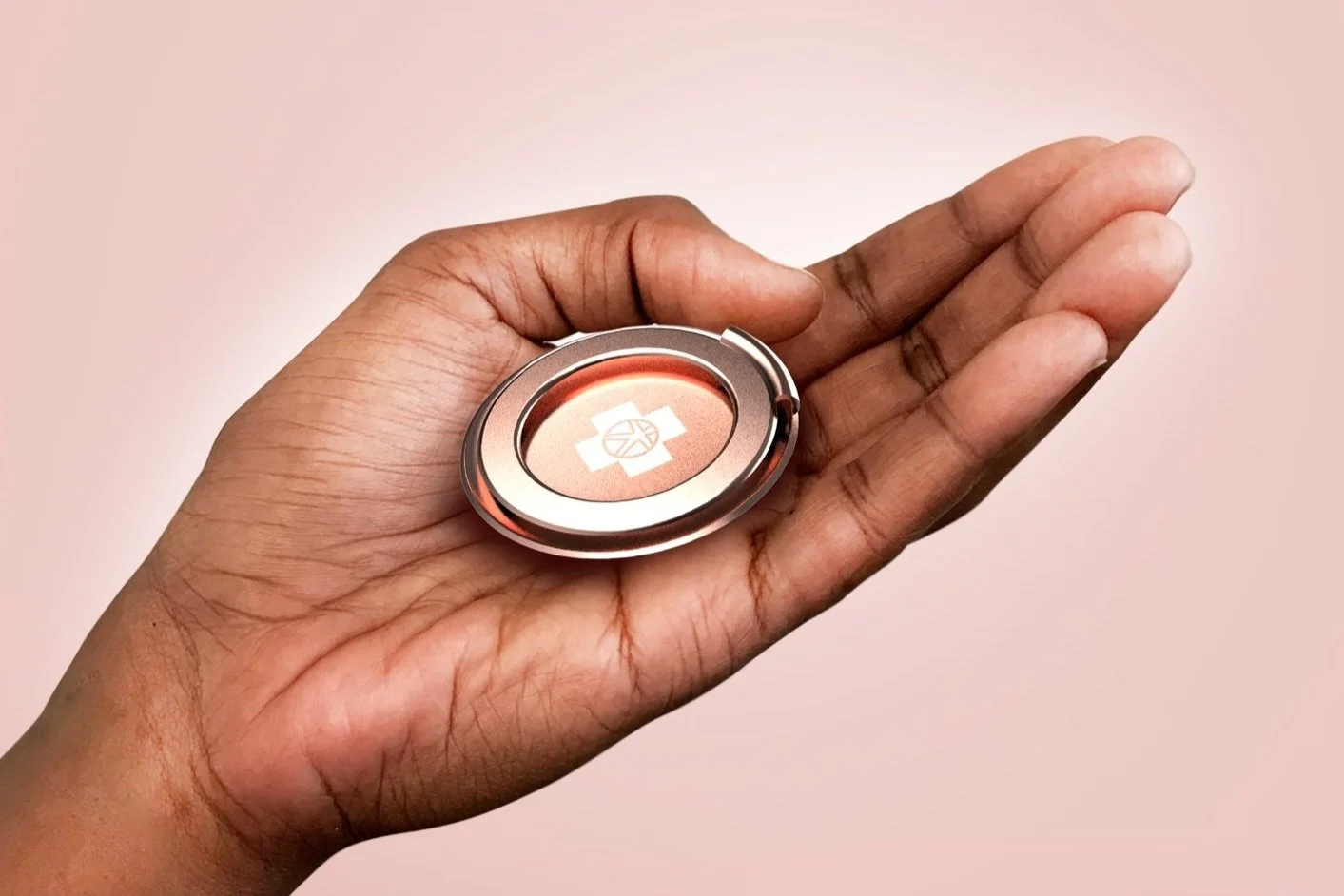
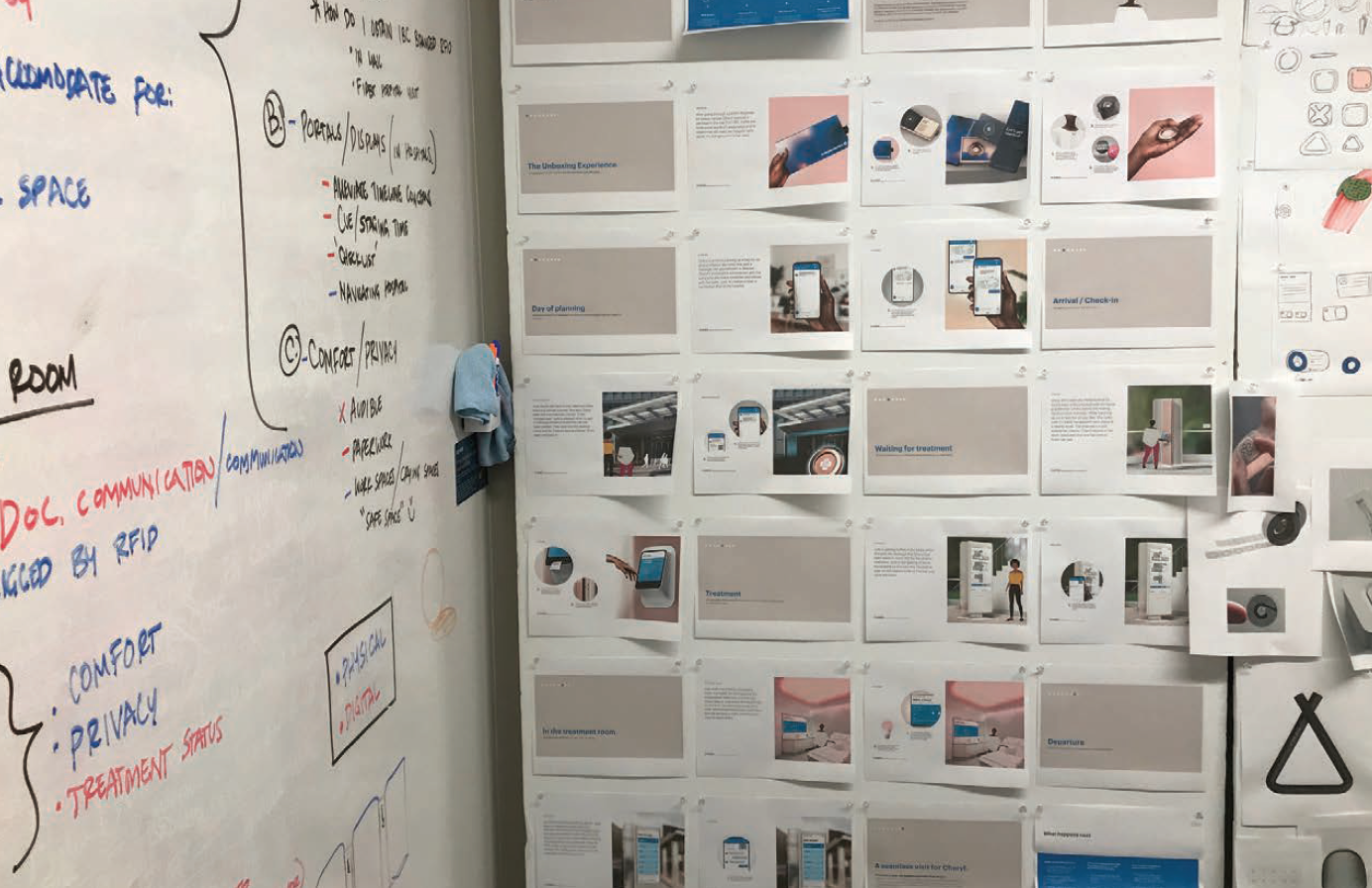
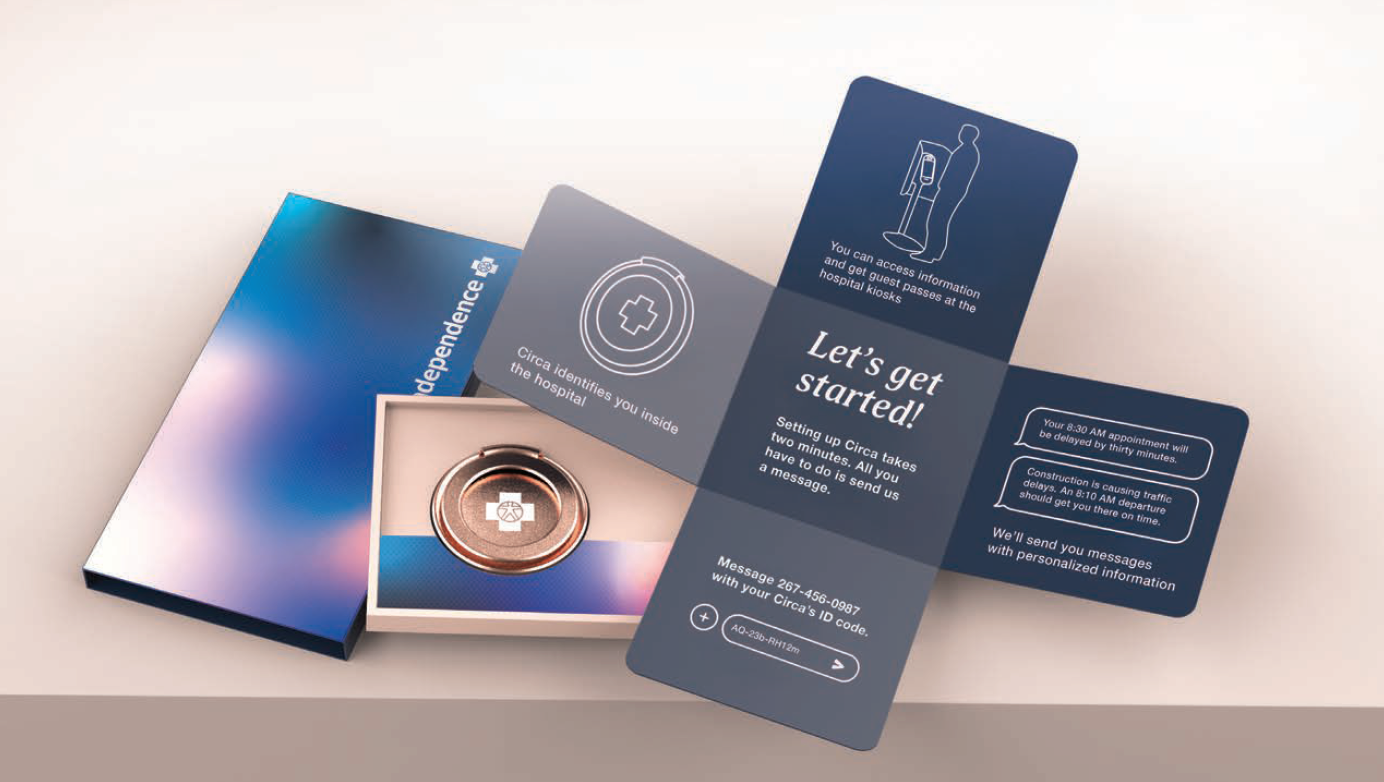
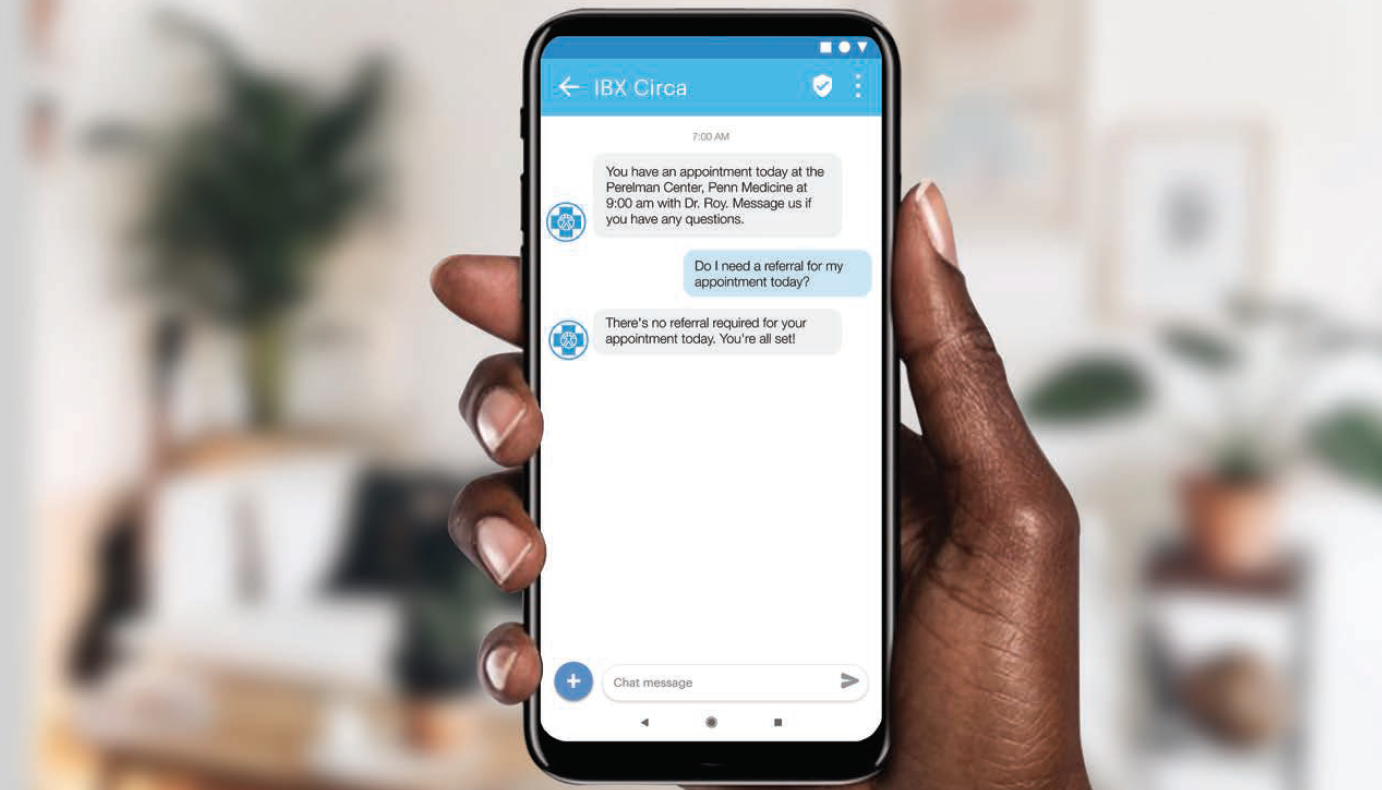
Those insights shaped Circa: a personalized healthcare hospitality service built on RFID tracking, dynamic messaging via the patient's existing messaging app, connected kiosks, and hospital-environment modifications. A lightweight physical tag, worn or carried, positions the patient in the hospital environment and triggers proactive communications, wait-time updates, caregiver status updates, and contextual recommendations throughout the treatment day.
Concept testing confirmed strong patient response, particularly to the messaging layer and the transparency it provided. Patient feedback directly shaped the final concept narrative.
What moved
The concept was received positively by patients and the client. Feedback on the messaging prototype was particularly strong, with patients responding to the personal, non-clinical tone.
"There's a million and one things you have to think about, so if you could move one mundane or overwhelming thing off my to-do list, that would make it feel like you cared about me."
What this taught me
Designing for someone in a health crisis requires holding two things at once: the operational complexity of a hospital environment and the emotional reality of the person moving through it. The best design insight from this project was not a feature. It was a framing: having cancer is painful; the care experience should not be.